
Exploring the Latest Virtual Mental Health Care Trends
Introduction to Virtual Mental Health Care
The landscape of mental health care has evolved rapidly with the integration of technology. Virtual mental health care is no longer just a futuristic concept; it's a present reality. This transformation offers a myriad of benefits, including increased accessibility and convenience for individuals seeking support.

The Rise of Teletherapy
Teletherapy, or online therapy, has become a cornerstone of virtual mental health care. By using video conferencing tools, individuals can connect with licensed therapists from the comfort of their own homes. This approach not only reduces travel time but also helps in overcoming geographical barriers, making mental health support more accessible than ever before.
Benefits of Teletherapy
There are several advantages to teletherapy:
- Convenience: Sessions can be scheduled at flexible times.
- Privacy: Conducting sessions from home can feel more private.
- Access: It opens doors for those in remote areas.
AI and Mental Health
Artificial intelligence is playing a transformative role in mental health care by providing tools that can analyze patterns and predict mental health issues. AI-driven chatbots offer immediate support and guidance, providing a valuable resource for those in need of quick assistance.

AI-Driven Tools
AI tools can help in various ways:
- Monitoring: Continuous monitoring of mental health symptoms.
- Analysis: Analyzing user input to suggest potential interventions.
- Support: Offering real-time chat support.
Mobile Apps and Mental Health
Mobile apps have become an integral part of virtual mental health care, providing resources for meditation, stress management, and cognitive behavioral therapy (CBT). These apps are designed to be user-friendly, making it easier for individuals to incorporate mental health practices into their daily routines.
Popular Mental Health Apps
Some popular mental health apps include:
- Headspace: Offers guided meditations and mindfulness exercises.
- Calm: Features sleep stories and relaxation techniques.
- BetterHelp: Provides access to licensed therapists via chat.

Challenges and Considerations
Despite the benefits, virtual mental health care comes with its own set of challenges. Privacy and data security are primary concerns, as sensitive information is often shared online. Additionally, not all individuals may be comfortable with or have access to the necessary technology.
Addressing the Challenges
To mitigate these issues, it's crucial for service providers to implement robust data protection measures and ensure that platforms are user-friendly. Educating users about the safe use of these technologies is also essential.
Future of Virtual Mental Health Care
The future of virtual mental health care looks promising, with continuous advancements in technology paving the way for more personalized and effective interventions. As these technologies evolve, they have the potential to further bridge the gap between mental health needs and services.
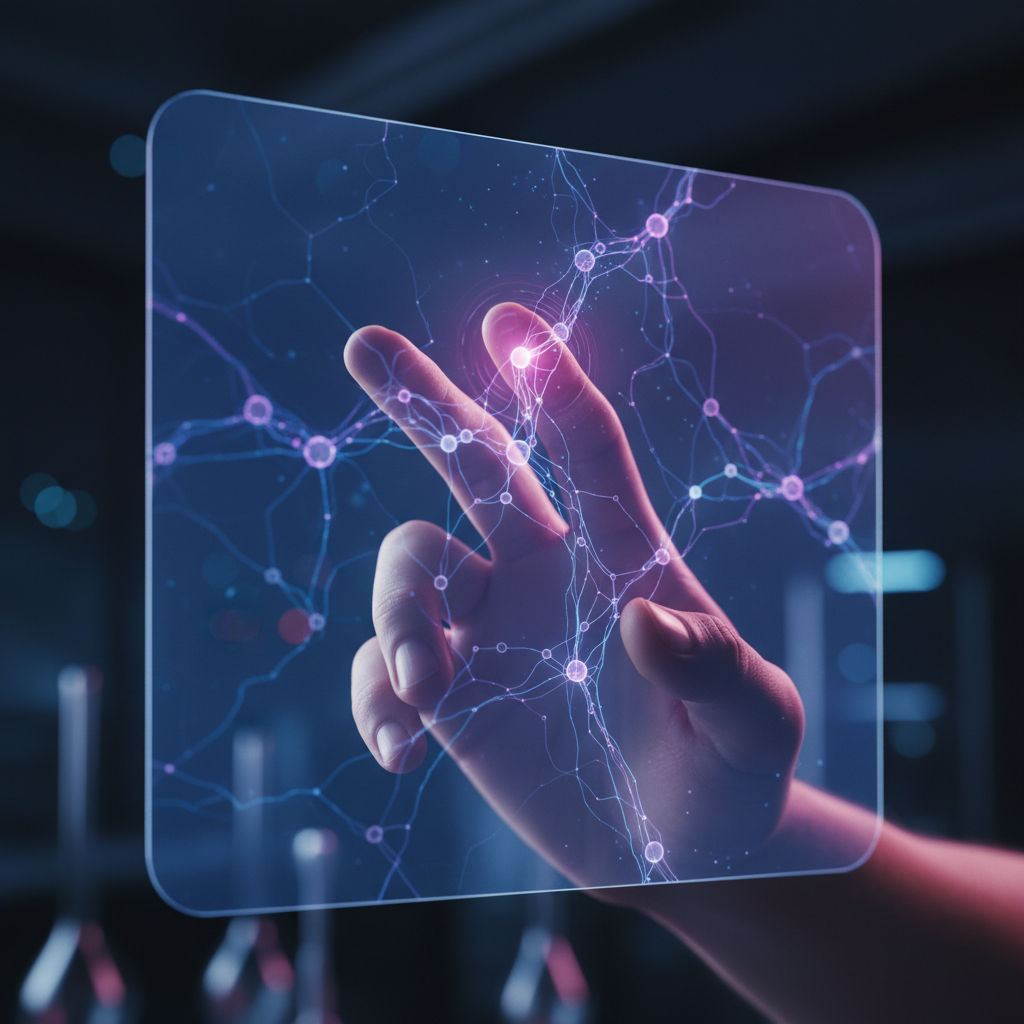
By embracing these trends, we can hope for a world where mental health care is more inclusive, accessible, and efficient for everyone.