
How to Find a Good Therapist Near Me: A Comprehensive Guide
Understanding Your Needs
Finding a good therapist starts with understanding your own needs. Consider what you want to achieve through therapy. Are you dealing with anxiety, depression, or relationship issues? Knowing your goals will help you find a therapist who specializes in the right area. It's important to remember that therapy is a personal journey, and the more specific you can be about your needs, the better.
Think about whether you prefer in-person sessions or if you're open to online therapy. With the increasing availability of virtual sessions, you have more flexibility than ever. Online therapy can be a great option if you're looking for convenience or if there are limited local options.

Researching Potential Therapists
Start your search by asking for recommendations from friends, family, or healthcare providers. Personal referrals can provide insights into what to expect from a therapist. Alternatively, use online directories such as Psychology Today or BetterHelp to search for therapists in your area. These platforms often include reviews and detailed profiles.
When researching, pay attention to the therapist's credentials, experience, and areas of expertise. Make sure they are licensed to practice in your state and see if they have any specializations that match your needs. Reading reviews and testimonials can also provide valuable information about the therapist's approach and effectiveness.

Evaluating Qualifications and Experience
It's crucial to verify the qualifications and experience of any potential therapist. Check for their educational background and any additional certifications they may hold. Experience in specific areas, such as cognitive-behavioral therapy or trauma-informed care, can be particularly beneficial depending on your needs.
Don't hesitate to reach out and ask potential therapists about their experience with your specific concerns. A good therapist will be open to discussing their approach and how they can help you. This initial communication can also give you a sense of their personality and whether you might feel comfortable working with them.
Considering Practical Aspects
Practical aspects such as cost, location, and availability are important when choosing a therapist. Determine your budget for therapy sessions and check whether the therapist accepts your insurance. Many therapists offer sliding scale fees based on income, so be sure to inquire about this option if needed.
Location and schedule flexibility are also key considerations. If you prefer in-person sessions, look for therapists within a reasonable distance from your home or work. Additionally, confirm their availability to ensure it aligns with your schedule. Some therapists offer evening or weekend appointments to accommodate different needs.
Trusting Your Instincts
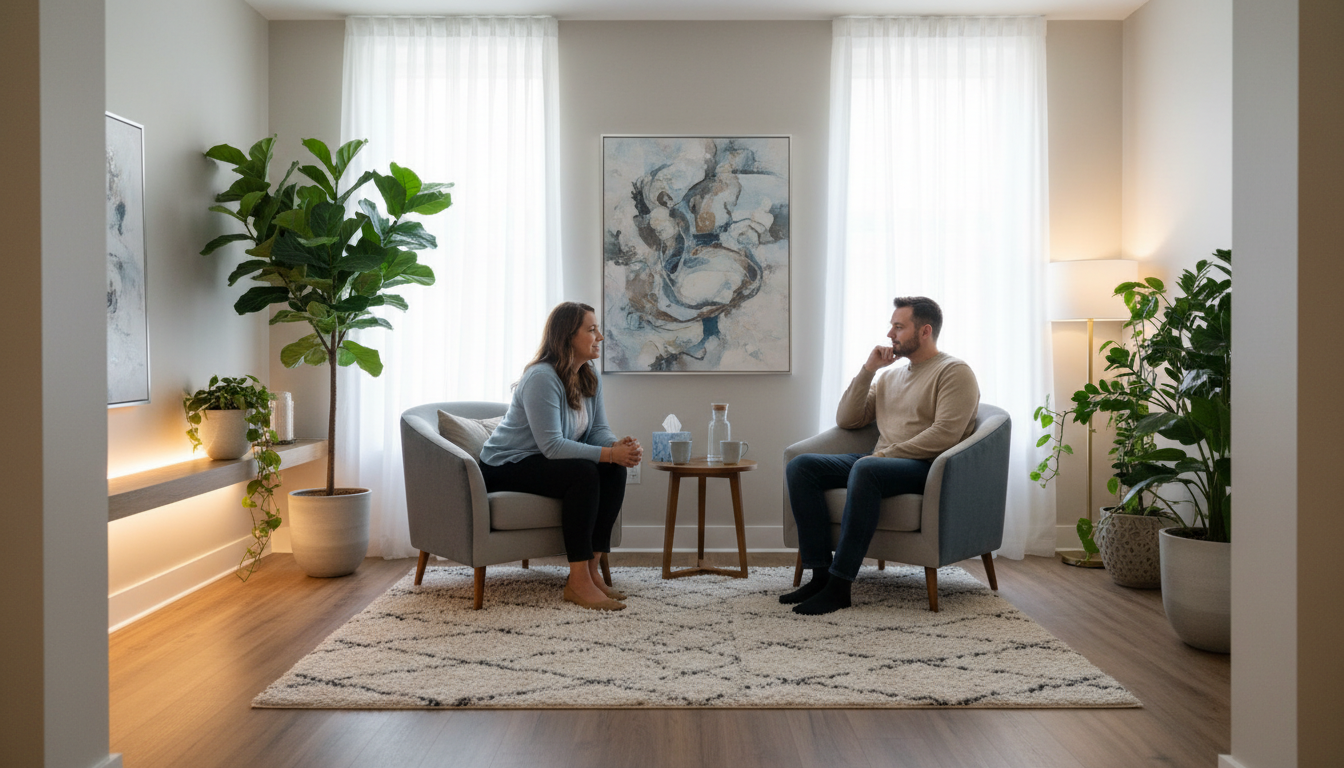
Your comfort level with a therapist is essential for effective therapy. After your initial meeting or consultation, reflect on how you felt during the session. Did you feel heard and understood? Was the therapist empathetic and supportive? Trust your instincts; if something doesn’t feel right, it’s okay to continue your search.
Remember that finding the right therapist can take time, and it’s perfectly normal to try a few before finding the one that fits best. The relationship you build with your therapist can significantly impact your progress, so ensure it’s a positive and trusting one.