
How Virtual Mental Health Care is Transforming Therapy Access
Introduction to Virtual Mental Health Care
In recent years, the landscape of mental health care has been undergoing a significant transformation. With the advent of virtual mental health services, therapy is becoming more accessible than ever before. This shift is not only changing how people receive care but also who can access it, making mental health support available to a broader audience.

The Rise of Teletherapy
Teletherapy, or therapy conducted via digital platforms, has seen exponential growth. This is largely due to its convenience and the ability to connect with therapists from the comfort of one's own home. Patients can schedule sessions without the need for travel, which is particularly beneficial for those with mobility issues or living in remote areas.
Moreover, teletherapy often provides more flexibility in scheduling, allowing individuals to fit sessions into their busy lives. This flexibility is crucial in reducing barriers to consistent mental health care.
Breaking Down Barriers
Virtual mental health care is effectively breaking down barriers related to stigma and accessibility. Many people feel more comfortable seeking help online, as it offers a level of anonymity that traditional in-person therapy may not. This can be especially important for those who might feel embarrassed or anxious about visiting a therapist's office.

Benefits of Virtual Mental Health Services
There are numerous benefits to virtual mental health services beyond accessibility and convenience. One of the most significant advantages is the increased availability of specialists. Patients can access therapists who specialize in specific issues, regardless of geographical location, ensuring they receive the most appropriate care.
Additionally, virtual platforms often offer a variety of resources such as chat support, educational materials, and community forums, providing a holistic approach to mental well-being.
Challenges and Considerations
Despite the advantages, virtual mental health care is not without its challenges. Concerns about privacy and data security are paramount, as sensitive information is shared online. It's essential for platforms to use robust security measures to protect patient data.
Another consideration is the digital divide. Not everyone has access to reliable internet or the technology required for virtual therapy. Efforts must be made to ensure that these services are inclusive and available to all individuals in need.
The Future of Therapy Access
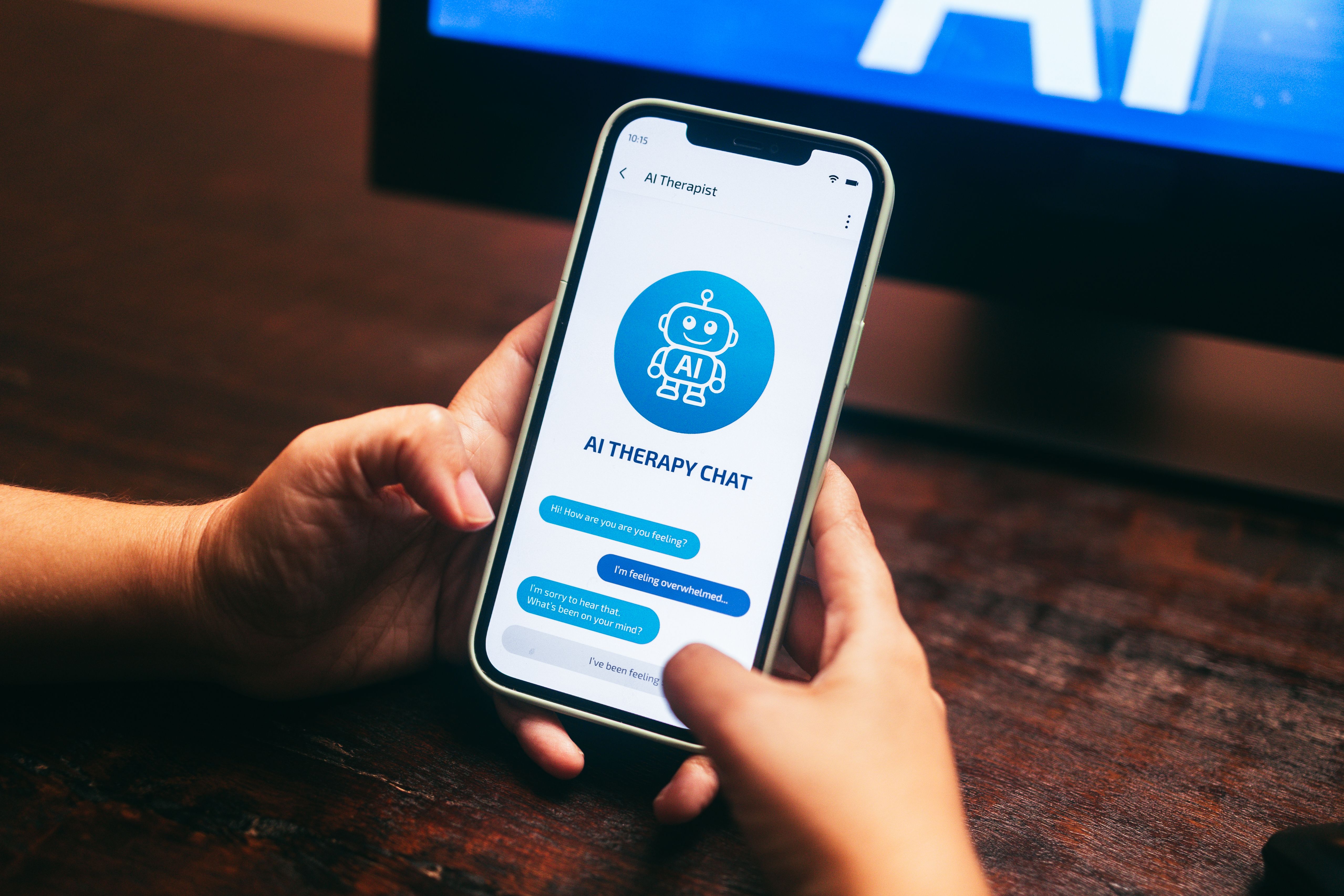
The transformation brought about by virtual mental health care is just beginning. As technology continues to evolve, so too will the ways in which therapy is accessed and delivered. Innovations such as virtual reality therapy and AI-driven support systems are on the horizon, promising even more advancements in mental health care.
Ultimately, the goal is to create a system where mental health care is not only more accessible but also more personalized and effective, meeting the unique needs of each individual.